The Grand Oak Room
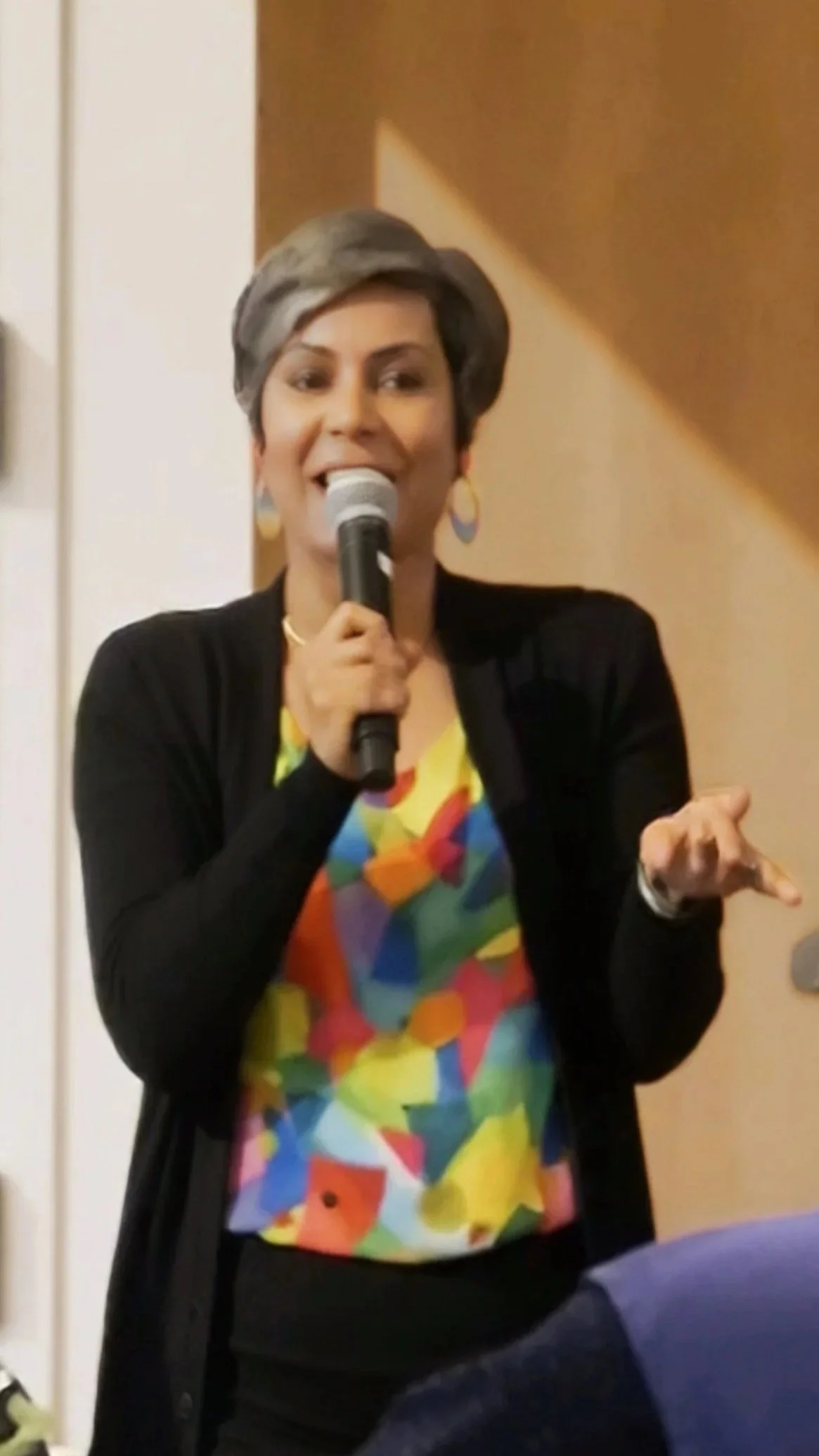
The morning of April 22nd, I noticed hives on my face while I was moisturizing. My husband walked into the bathroom, looked at me, and asked, “What happened? Why are you so stressed?”
He had seen me working for weeks on end. He knew how much I cared. “You’ll be fine,” he reassured me. “They’ll love you!”
I looked at my reflection: the red spots on my face, my neck, my hands. “I guess I am nervous … and I don’t know why.”
I am not the one in our family popping the occasional Zyrtec. It’s not my MO. Yet, that morning my body was telling a different story.
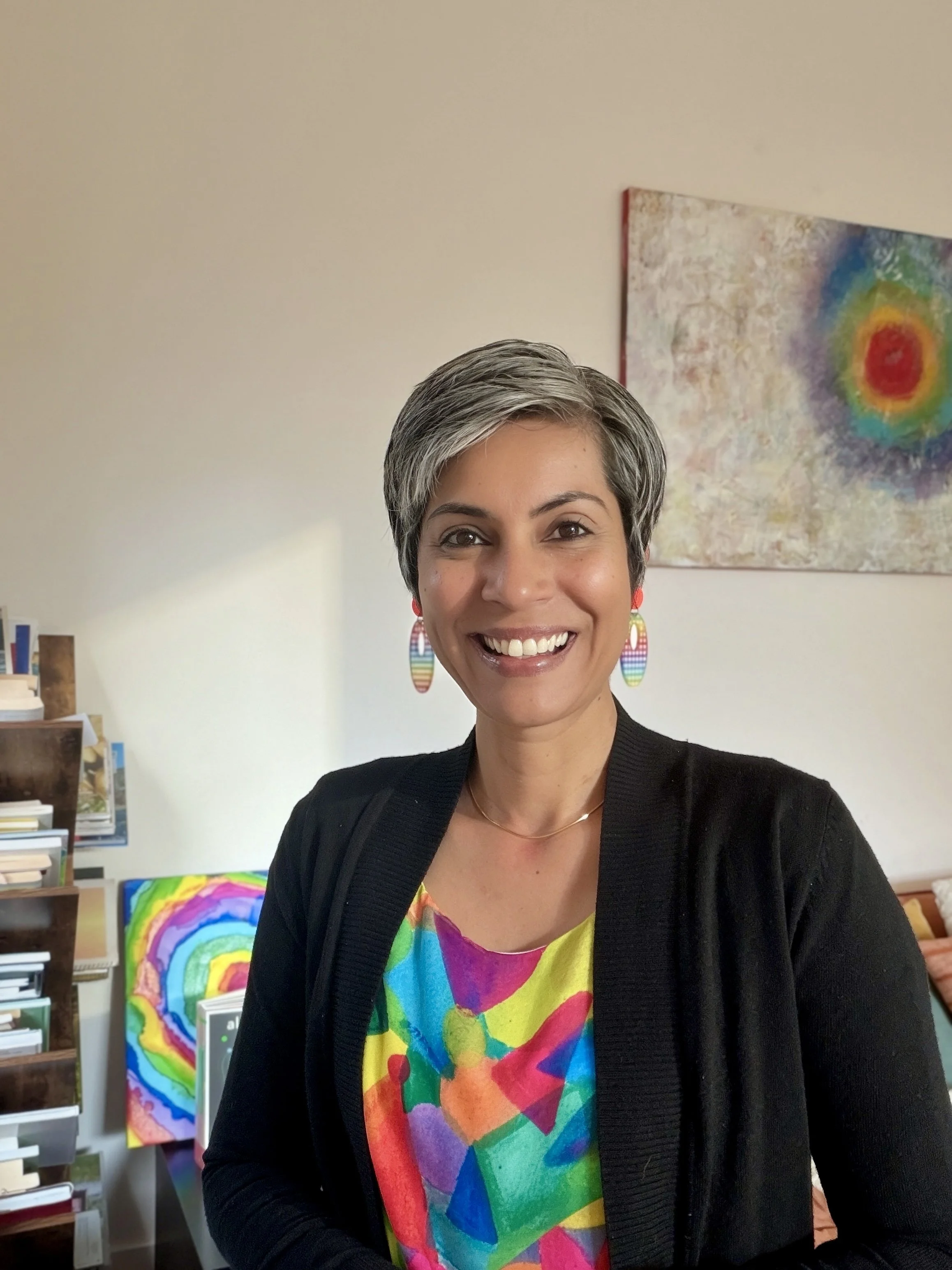
There are lots of layers of concealer and foundation and yet you can see the redness around my necklace.
I was getting ready to speak at the City of Los Altos Community Center’s Volunteer Appreciation Lunch. 150 confirmed attendees, 42 people on the waitlist. The largest live audience I had ever stood in front of.
What I couldn’t quite name that morning — and what I’m still sitting with — is that the nervousness wasn’t about speaking. I’m not afraid of words. The anxiety was about the 160 tokens I had spent over 100 hours making by hand … each one different, each one a small painting. What I was afraid of, if I’m being honest, is that people wouldn’t find them worthy. That they would sit on the tables, politely ignored, and I would have to watch that happen while holding a microphone.
I say practice letting go. I am still, apparently, deeply attached.
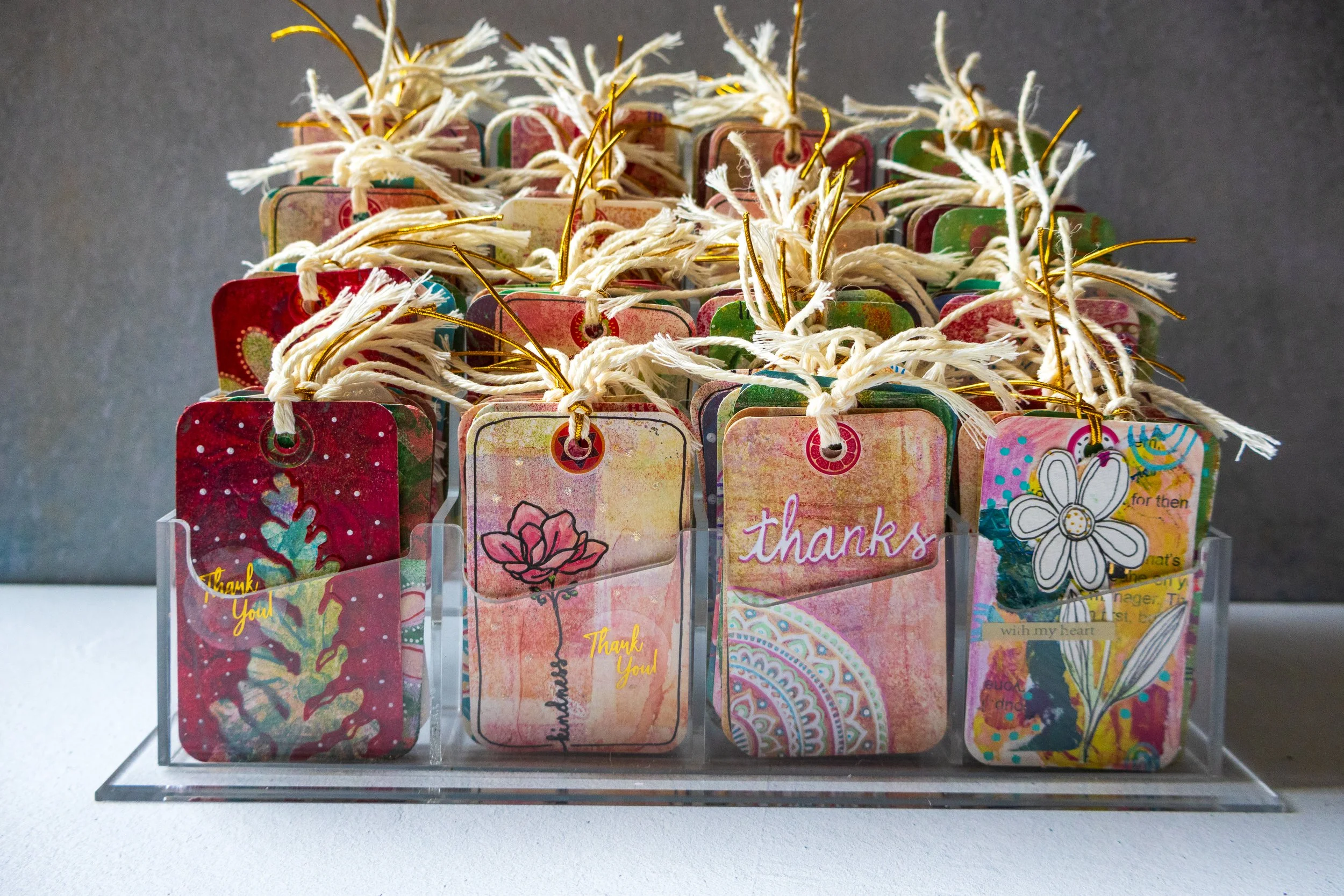
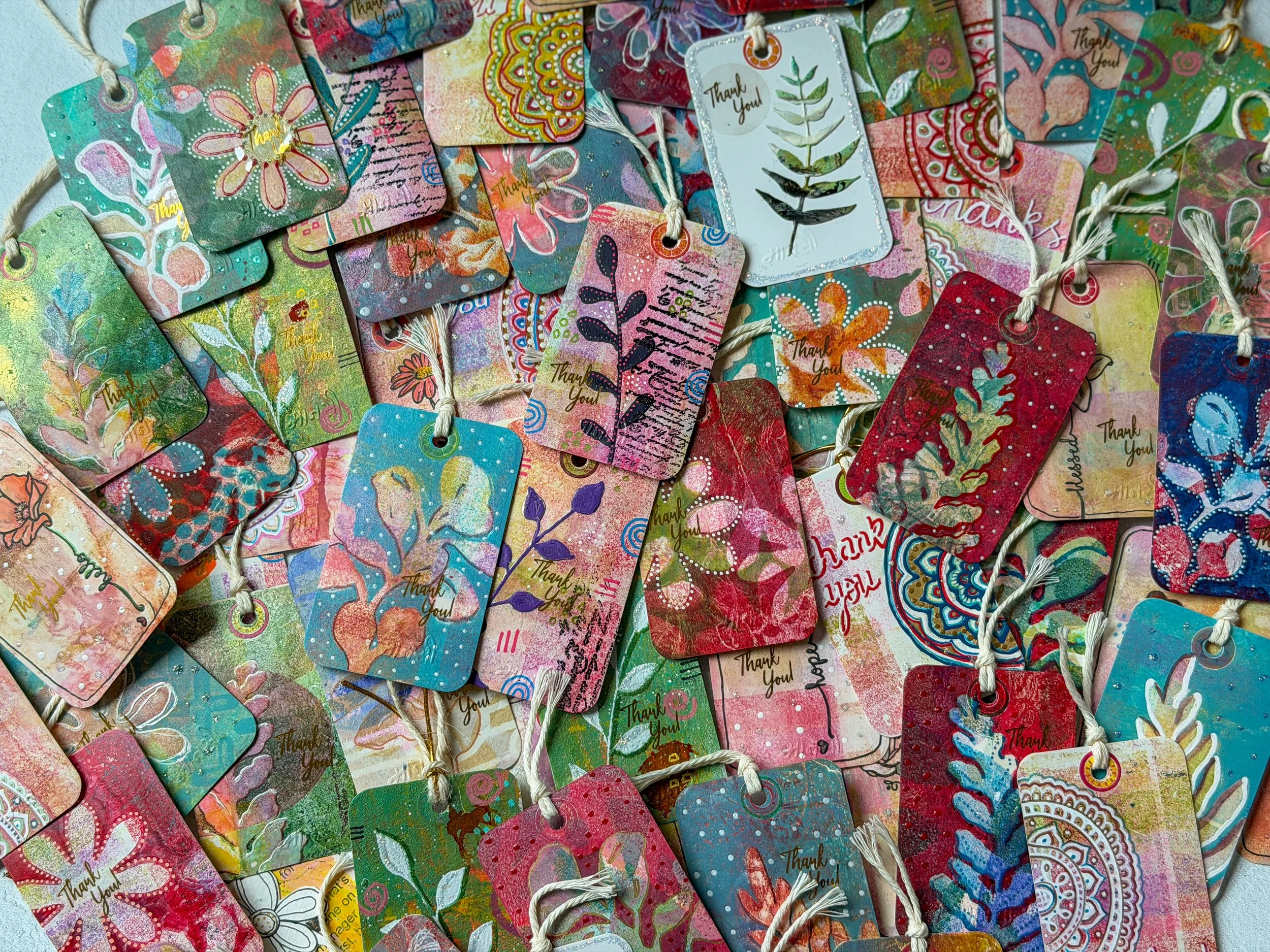
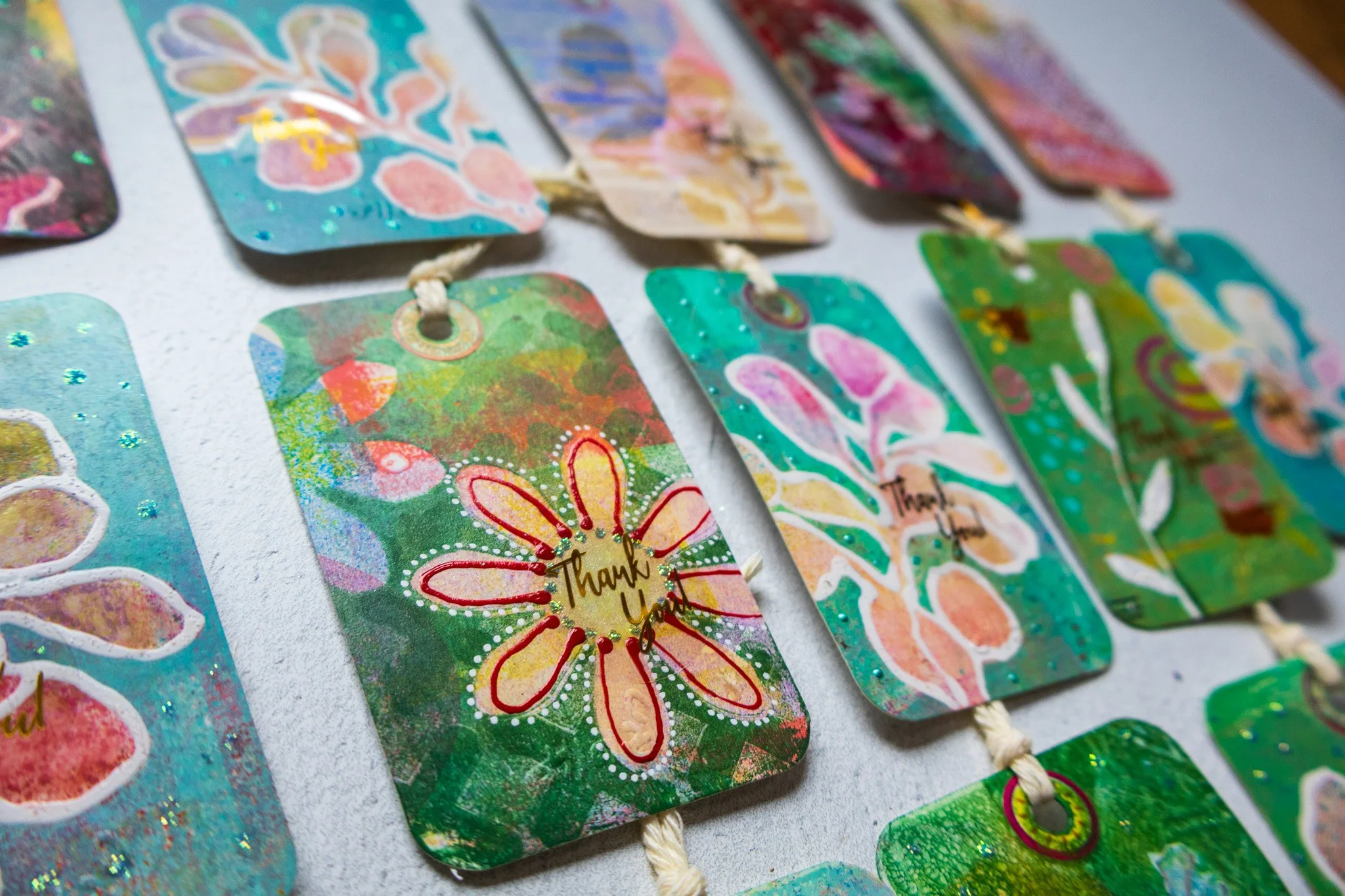
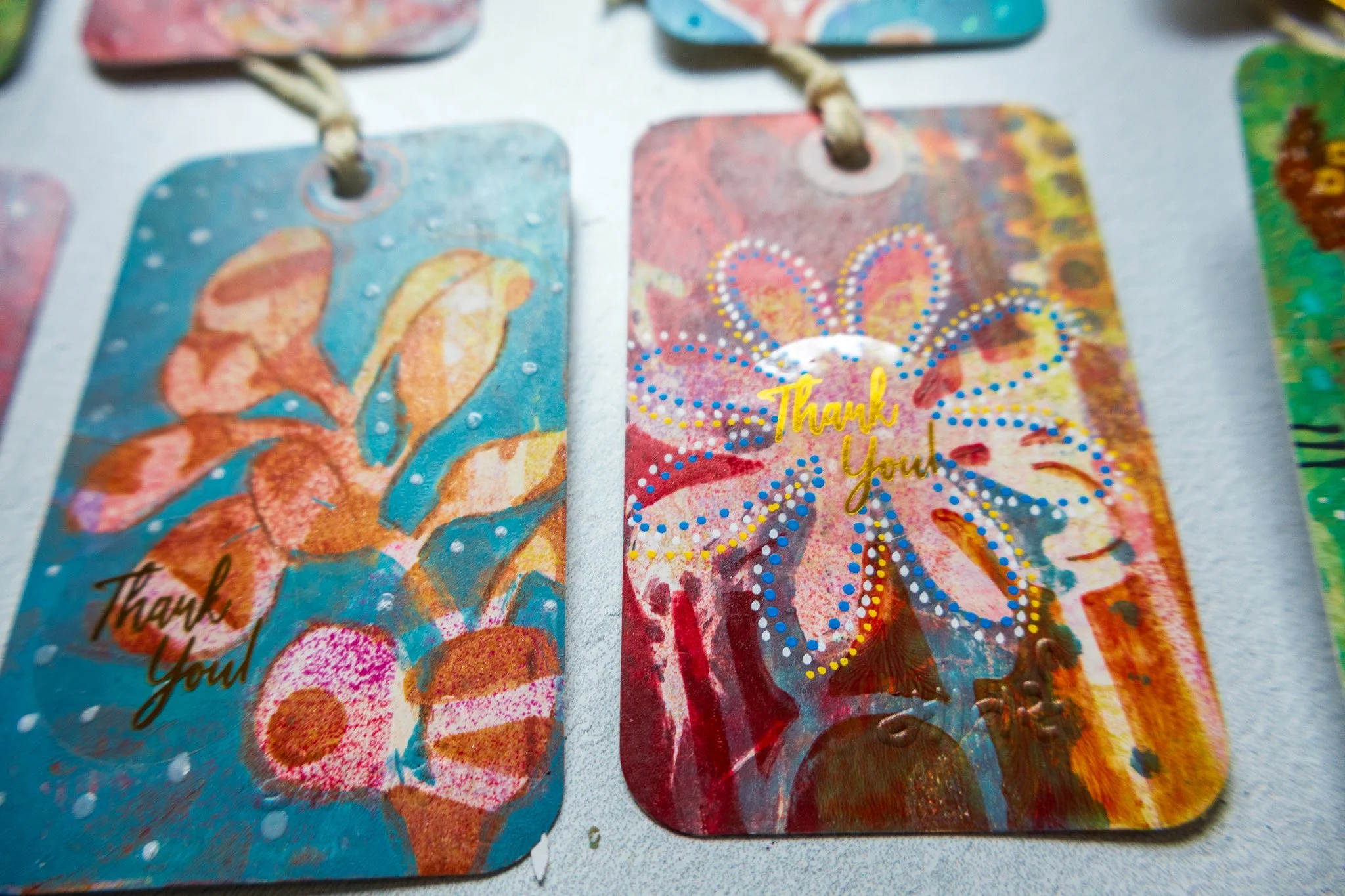
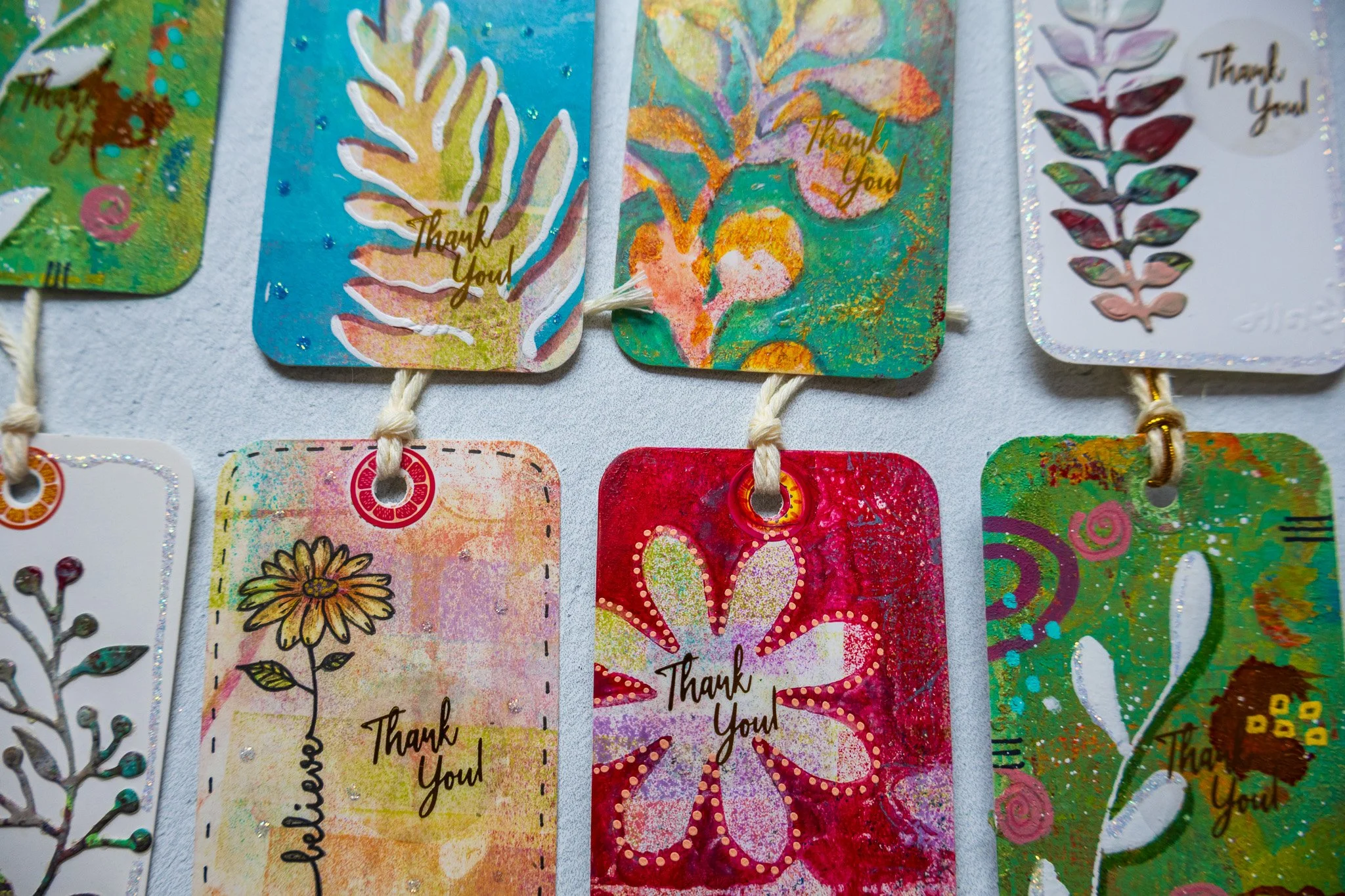
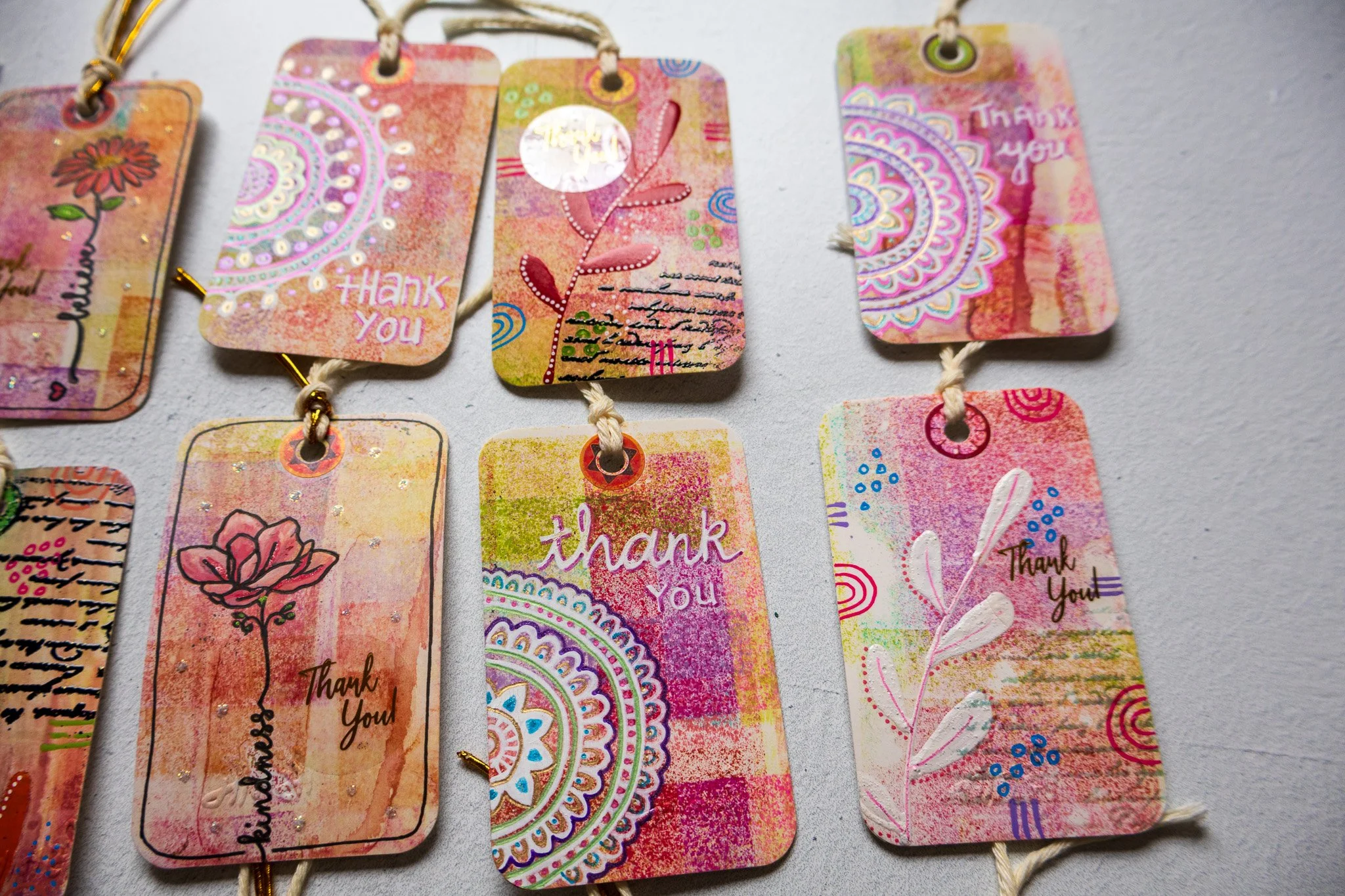
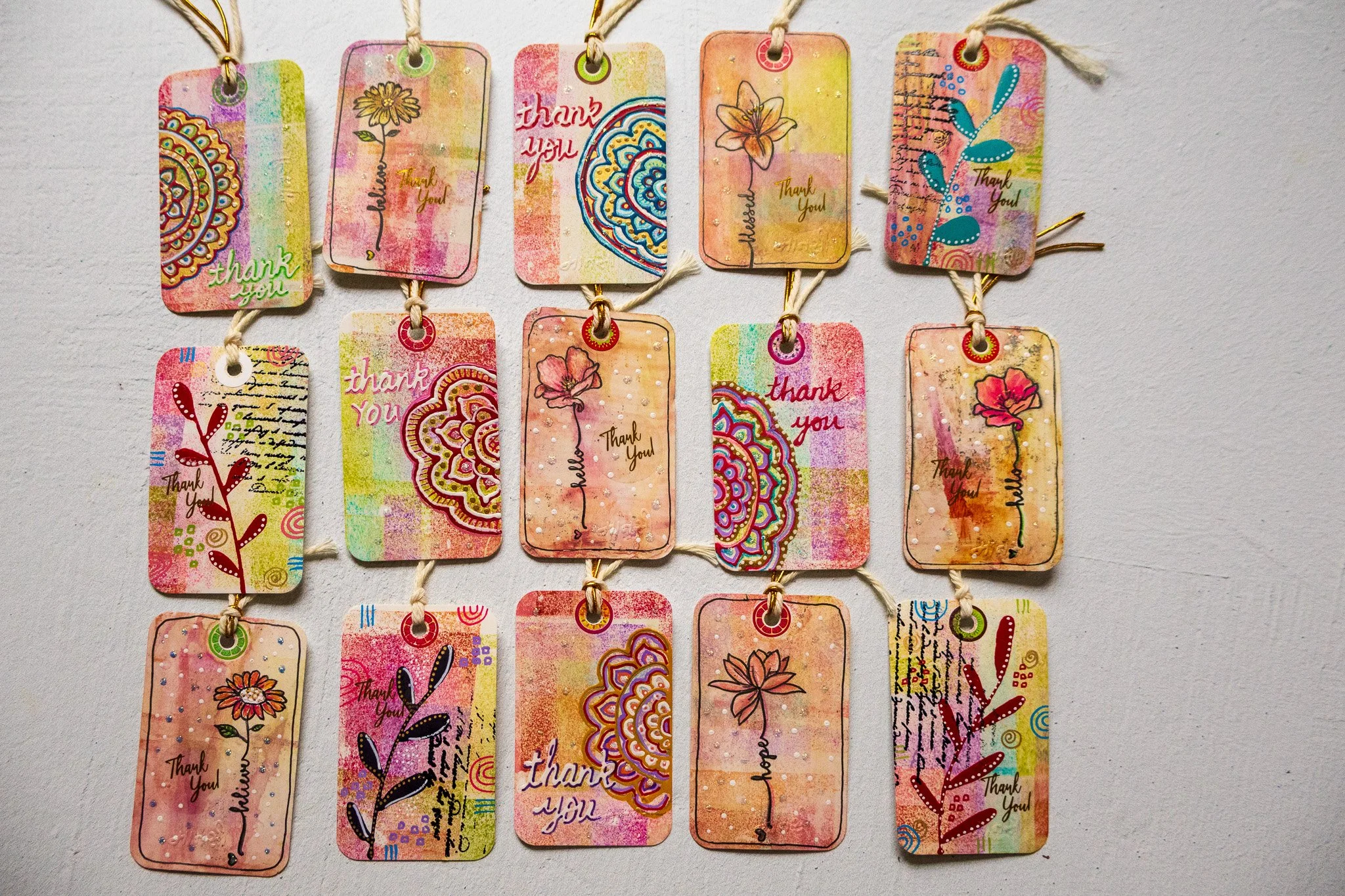
I make anywhere between 30 to 40 tokens every week for the Ripple Station outside my house, so letting go should come easy. But the truth is that the invisibility protects me. I put the tokens out and I don’t know who picks them up, I don’t know what they do with them, I don’t know if they matter to anyone. That not-knowing is a kind of shelter. I make the tokens, I get joy from the process and that’s all there is to it.
Walking into that room felt different. I was there. My art — my heart — was there. My name was embedded in each piece. And I had no idea how a room full of seniors — many of them in their 70s, 80s, 90s — would receive a 47-year-old talking about the juxtaposition of art and kindness.
My watch told me five minutes before I held the microphone that my heart rate was 120 beats per minute. I was standing still.
Then I took the mic and everything flowed.
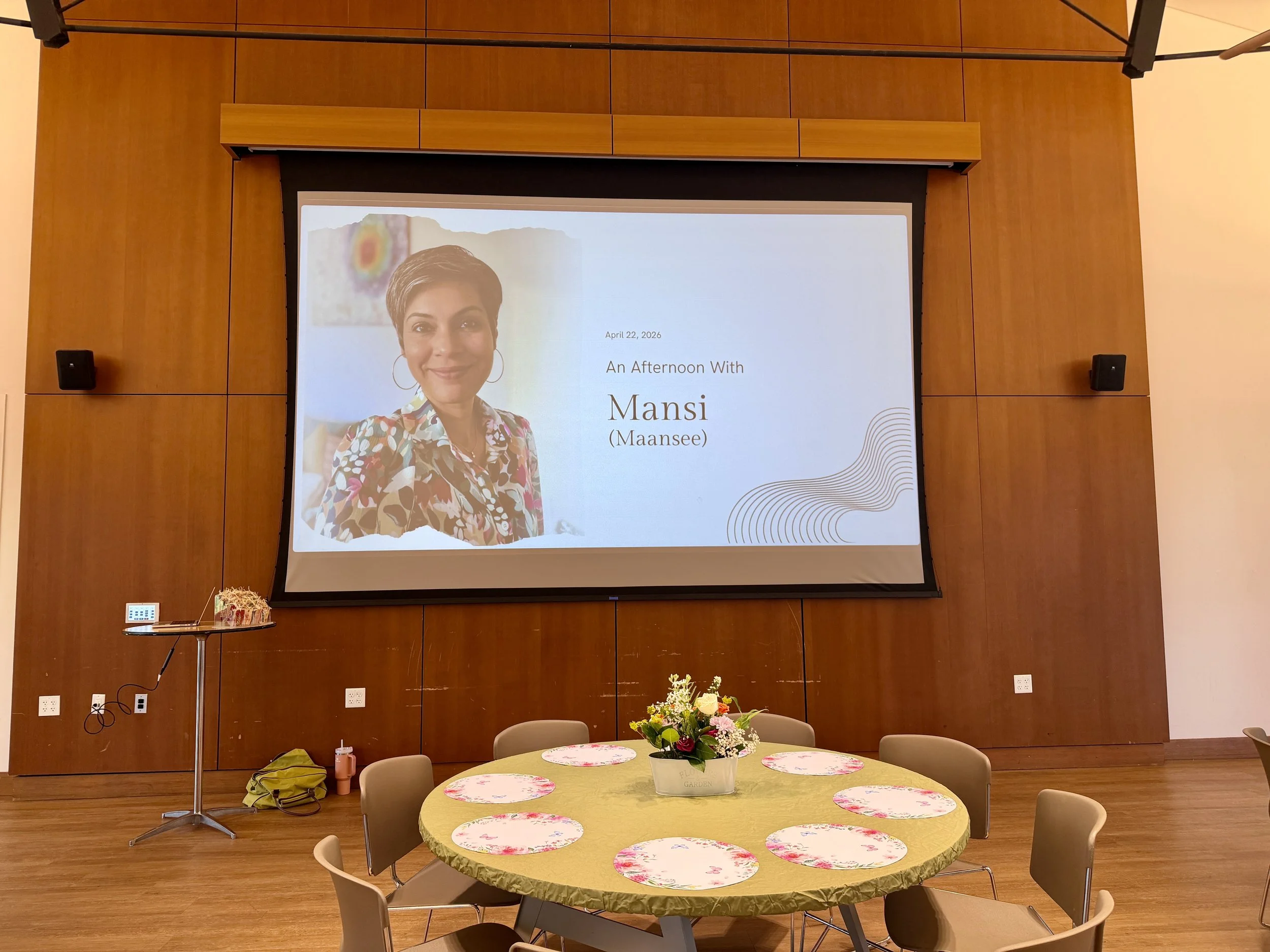
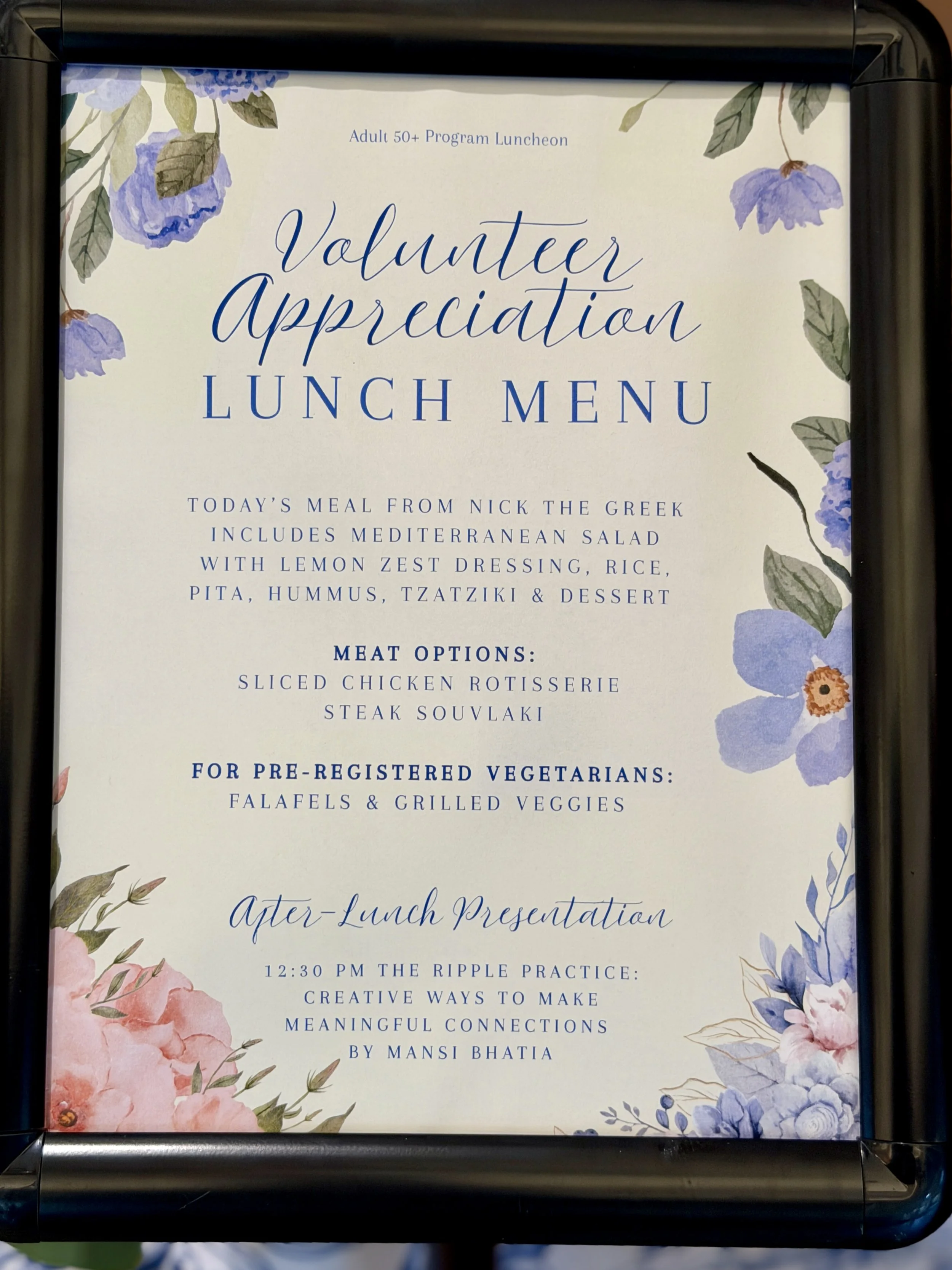
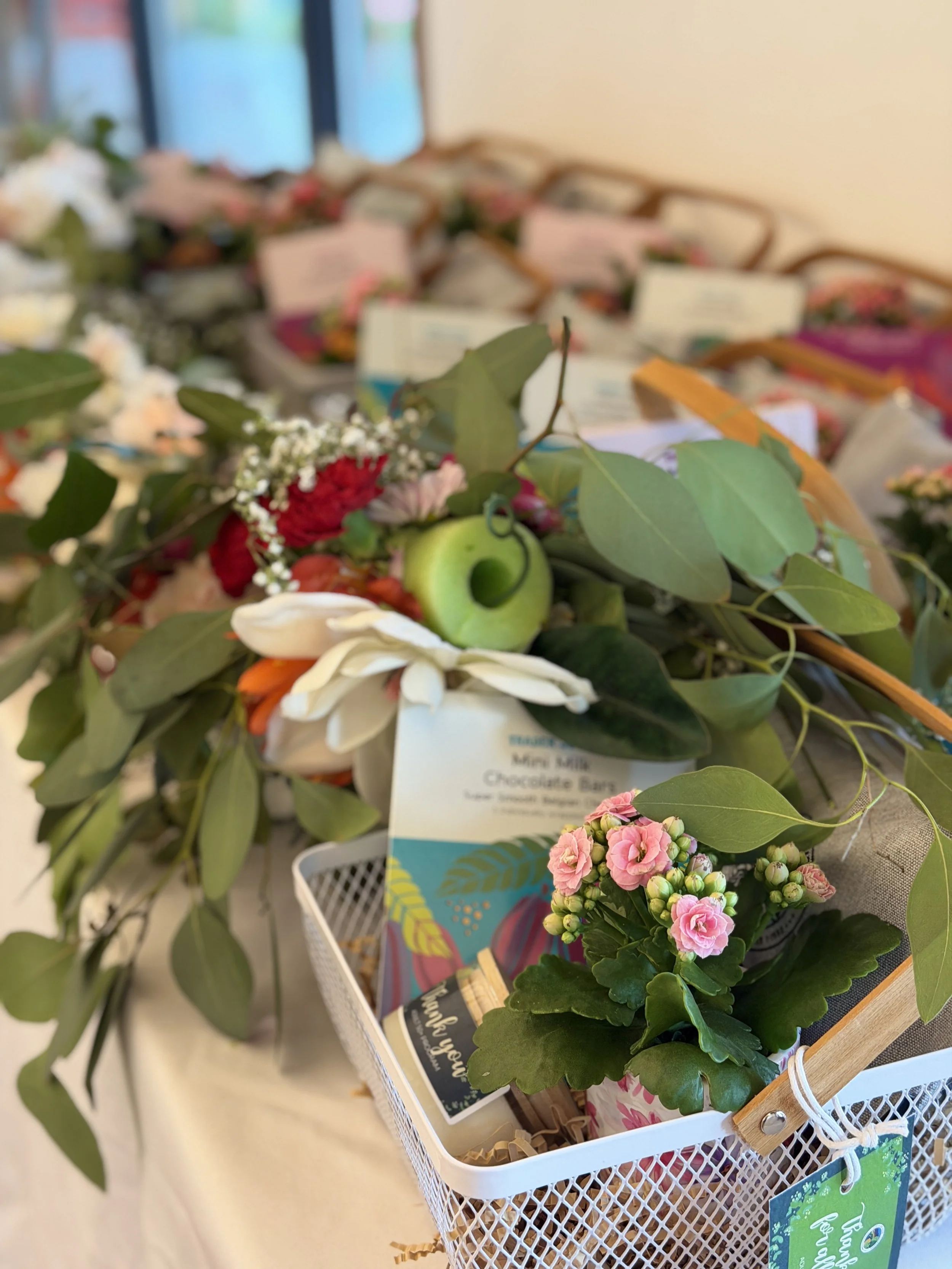
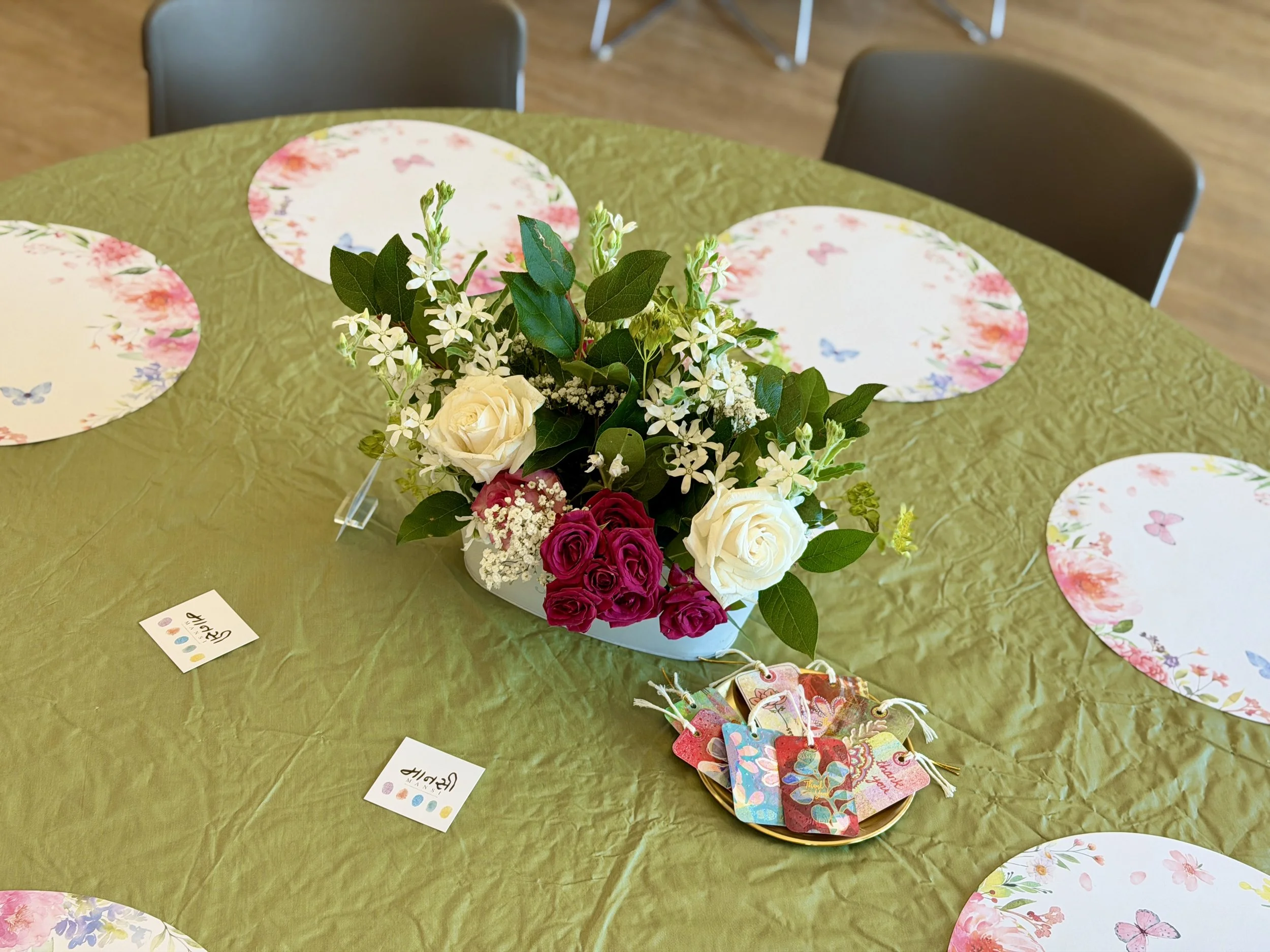
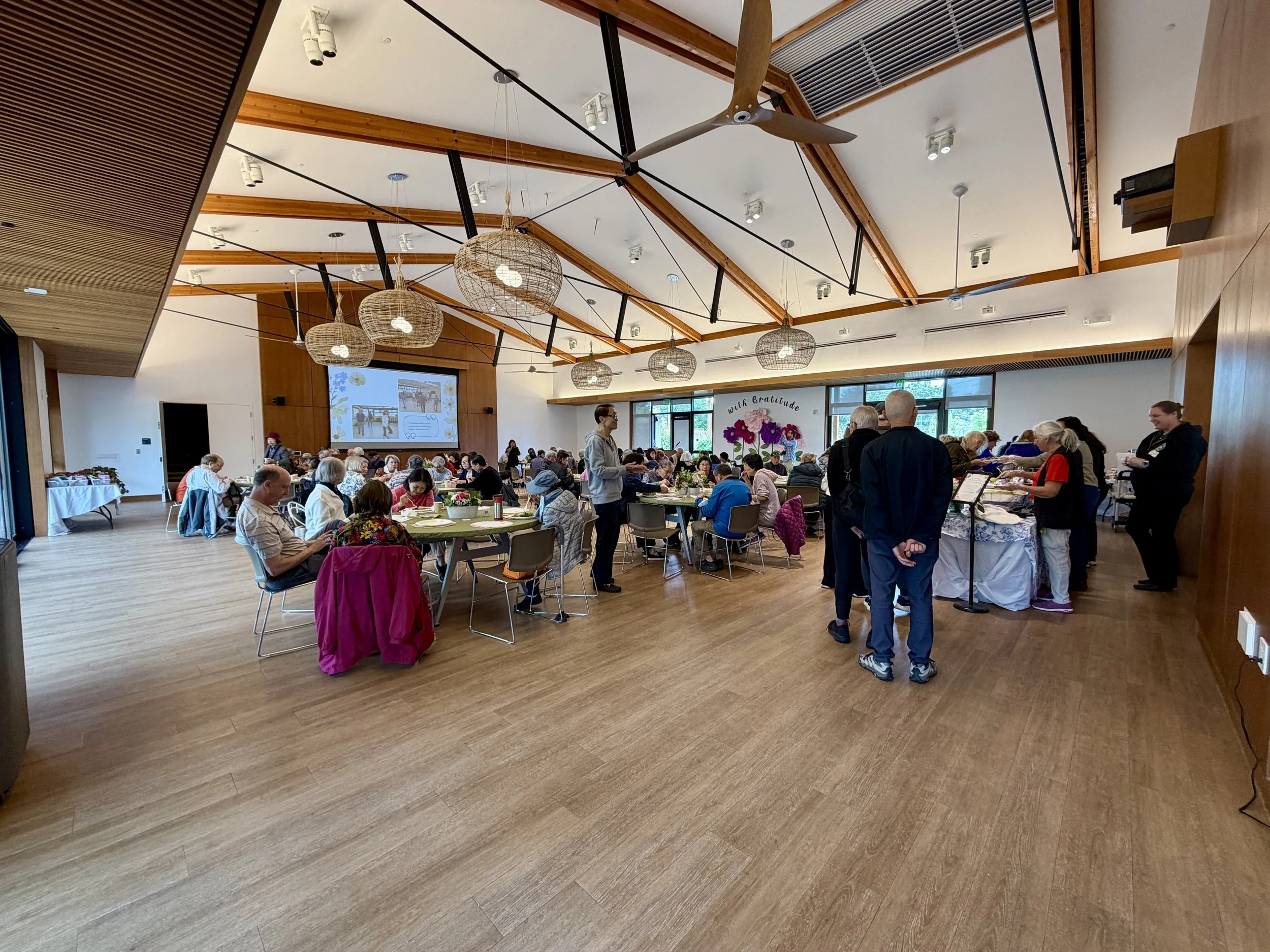
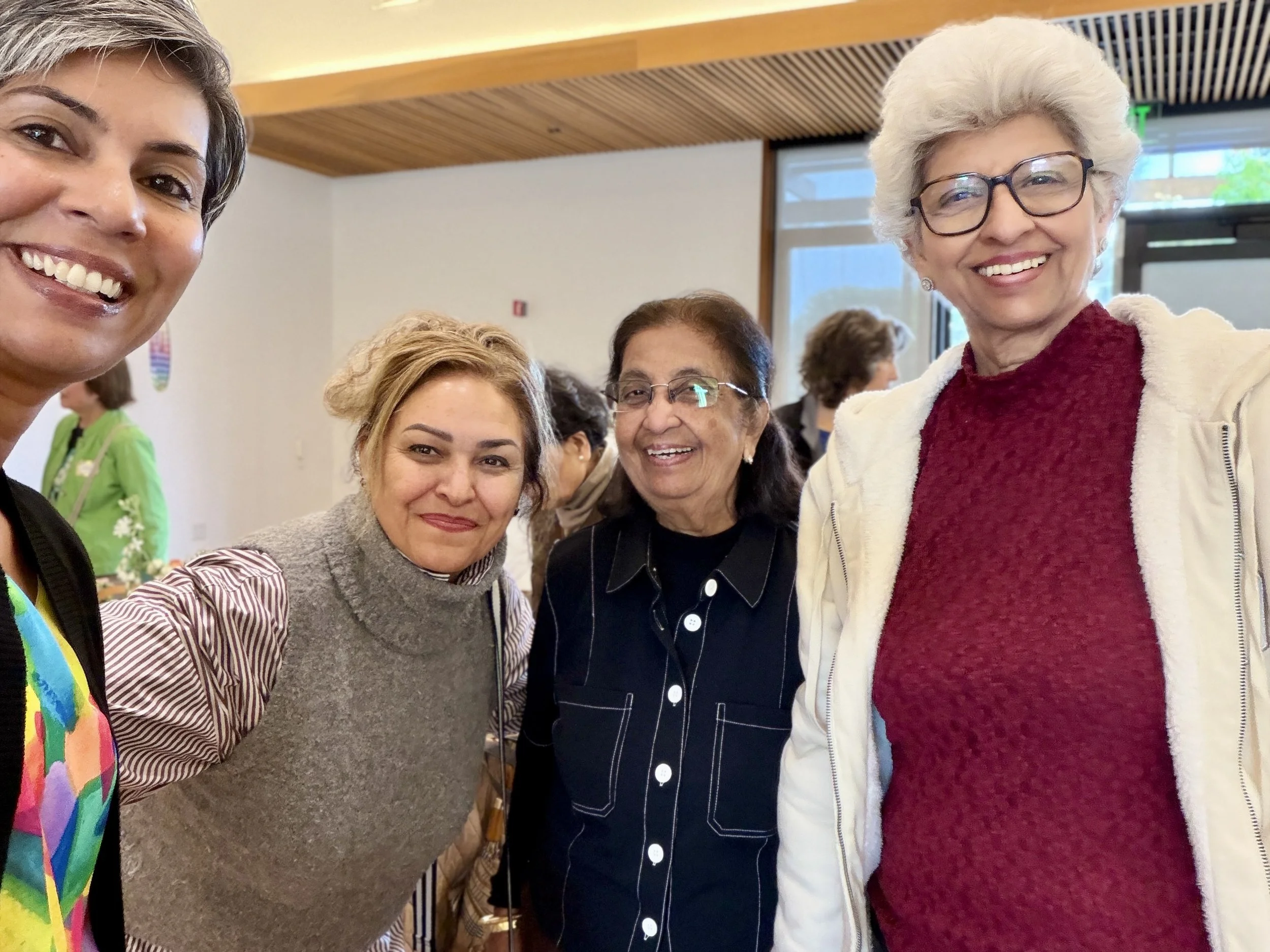
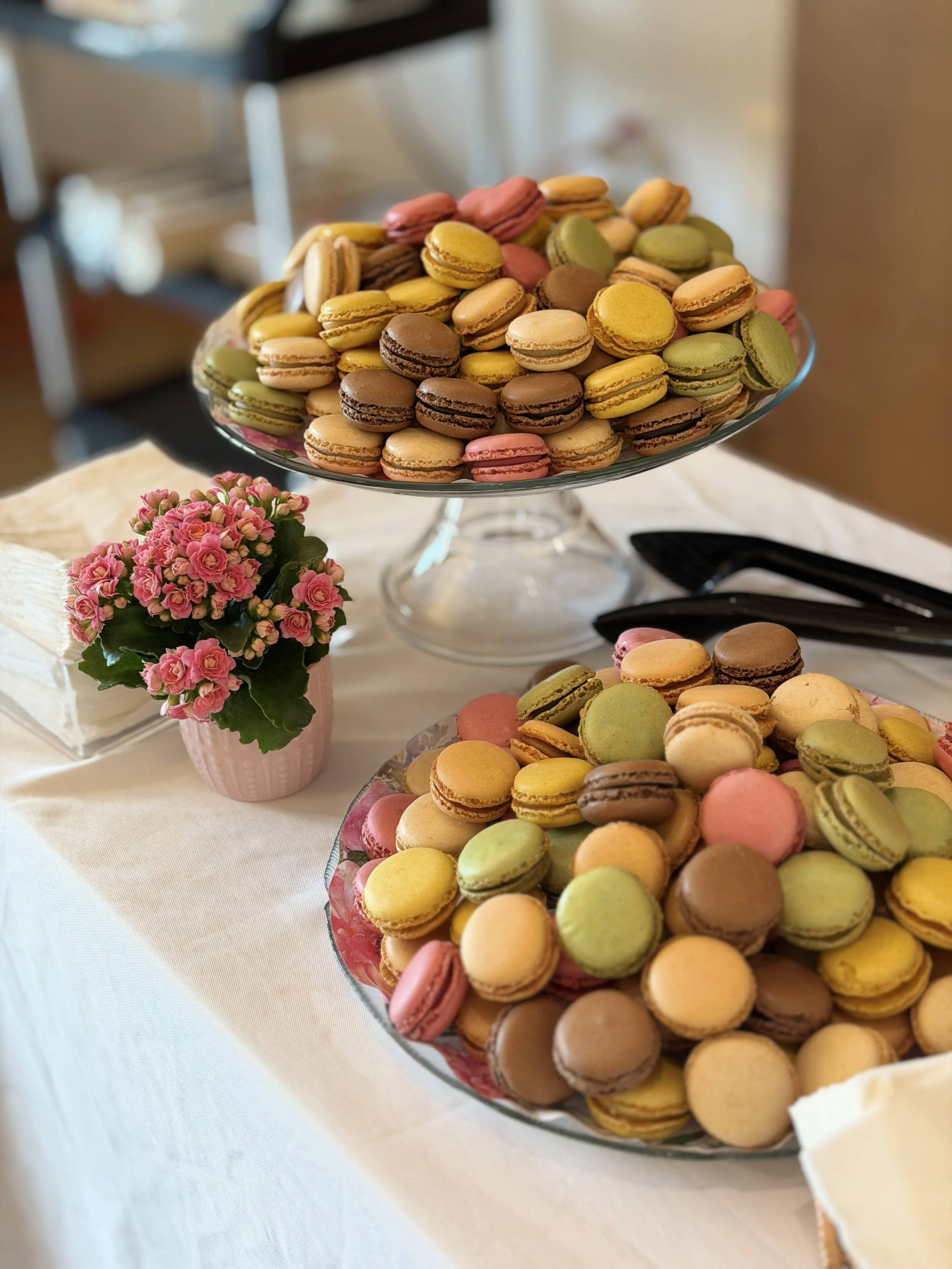
I talked about how when people look at me they see an artist — and how I didn’t see myself that way until last year. I talked about the NID interview at 19, being told I had no originality, that I should pursue writing because my words were more compelling than my art. I talked about my daughter’s allergies, the isolation, the years when color said what words couldn’t. I talked about 3,000 tokens handed out over 8 years, about a practice that doesn’t have a stage or a classroom or a curriculum — just a way of moving through a room.
People stayed for nearly half an hour after I finished sharing my story.
A woman from Ukraine, who came here in 1978 in her 30s, told me she heard her own story in mine. A man named Jerome, in his late 80s, shared photos of the dragon he painted in Japanese Calligraphy class — something he never imagined doing as a mechanical engineer. A 91-year-old looked at me and said, “Well done. I’m so proud of you.”
I had a one-on-one conversation with Aruna Mookhey, who waited in line for 15 minutes to chat with me. She is an executive leadership coach in Mumbai with decades of experience in emotional intelligence and neuroscience — who happened to be visiting her son. She wrote about my talk on LinkedIn. She is 76. I am 30 years her junior. And what I felt, more than anything, was not the gap between us but the alignment. She recapped what I do in these words:
“Gratitude doesn’t need a reason. It needs awareness. In a world where appreciation is often conditional or delayed…here is someone quietly creating a culture of gratitude—without recognition, without noise. As an Emotional Intelligence Coach, I often say, it is not the big actions that transform relationships… it is the consistent small gestures that build emotional connection.”
—Aruna Mookhey
Eight years of living this practice, and it took a room of 150 strangers to show me how far it travels. Some people asked if they could take extra tokens — they already knew the grocer, the mailman or the receptionist they wanted to give them to.
Someone invited me to speak at the senior center in a nearby town. The recreational director wondered if my offerings could have a more permanent home in the Community Center. The ripple effect of this talk goes even further than the handmade tokens I offered.
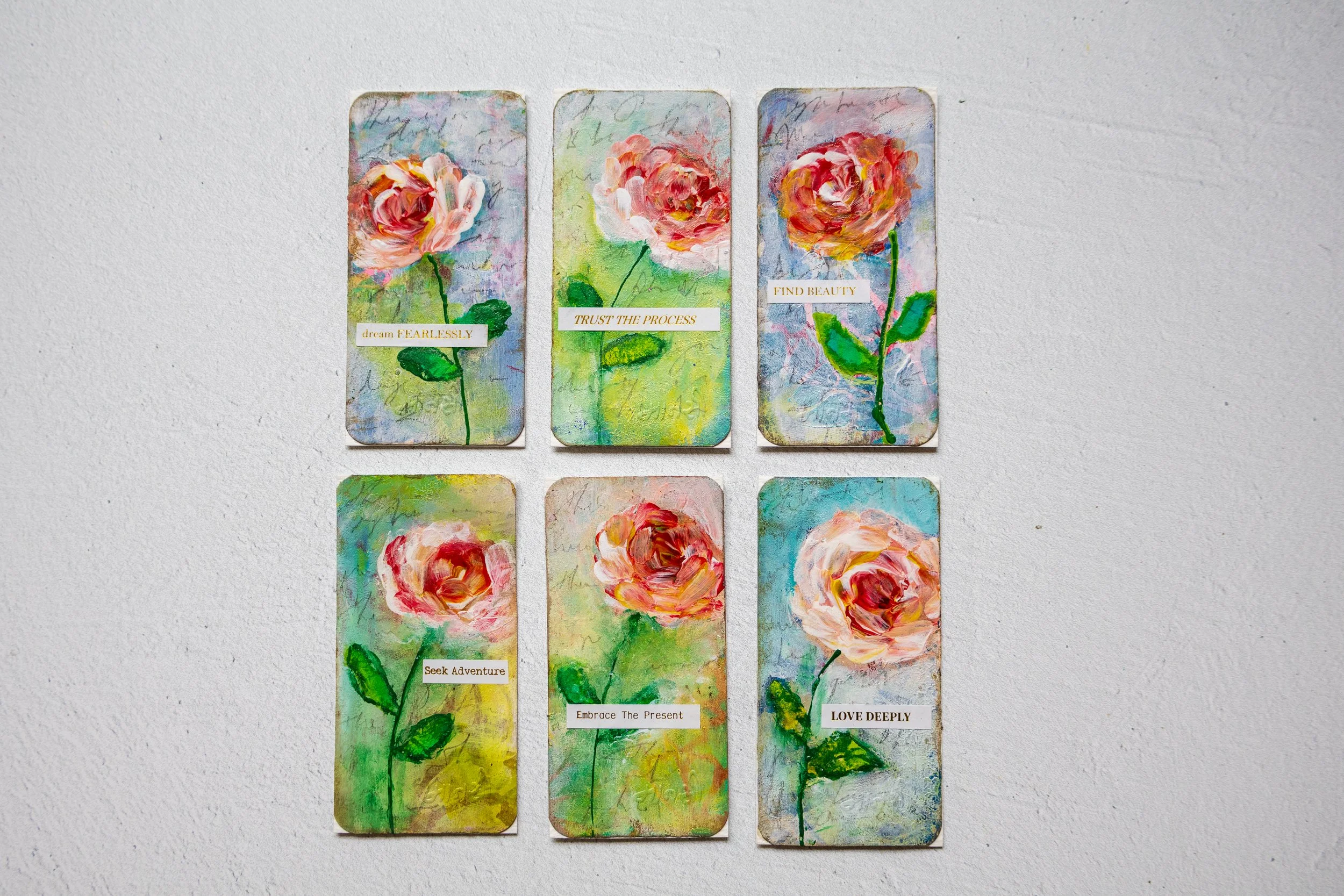
This past weekend, I went back to my studio. I found six gel plate prints I’d set aside months ago — not quite right, not quite finished. My fingers knew what to do. What came out of that session is the first Ripple Set for purchase: six original mixed-media paintings, each one a rose, each one different, none of them matching exactly.
The full story of how they came to be and how they can reach your hands from mine, here.
Details:
6 original mixed-media paintings, 2 x 4 inches
Gel plate printed base, finger-painted rose, torn rice paper watercolor leaves collaged on
Each piece unique — no prints, no duplicates
Space on the back for a name or a few words
Each card arrives individually wrapped in a glassine bag, shipped in protective packaging
Ships carefully, from my hands to yours
More photos, the back story and a video here.
માનસી